 New Jersey Real Estate Attorney Blog


Our office previously reported on New Jersey’s Safe Housing Act, a 2008 statute that allows victims of domestic violence to terminate their residential leases on 30 days notice to the landlord. Since the time we published that article, we received an overwhelming amount of comments, and the general consensus has been that the inconvenience that the Act has caused to some landlords has been substantially outweighed by the public purpose served by the Act.
While the Safe Housing Act affords protection to tenants, we were recently informed of an ordinance that actually penalizes tenants for reporting incidents of domestic violence. Under Section 245-3 of the Norristown, Pennsylvania municipal code, residents who rent their homes were only allowed a maximum of two calls to the police for each four-month period. In the event that a third call was placed to the police during that period, the landlord’s license to rent that property would be revoked. As a result of that revocation, the town would then be forced to evict the tenants. While the town stated that the intention of the act was to minimize disorderly conduct, the legislation has resulted in domestic violence victims either losing their homes, or alternatively, being hindered from making a report out of concern for the possible repercussion.
The matter of Briggs v. Norristown (2013) , concerned a challenge to a law, which the Defendant, municipality, had enforced an ordinance against the Plaintiff, renter and her landlord by revoking the landlord’s rental license and subsequently attempting to remove Plaintiff and her infant daughter from their home, based solely on the fact that the police were called upon one too many times to protect her and her daughter from incidents of domestic violence. Following a discussion with the Plaintiff’s attorney regarding the constitutionality of the ordinance, the Defendant municipality rescinded the ordinance. However, shortly thereafter, the Defendant municipality enacted another ordinance, which was similar to the old ordinance, except that it placed most of the penalties upon the landlord, rather than upon the tenant.
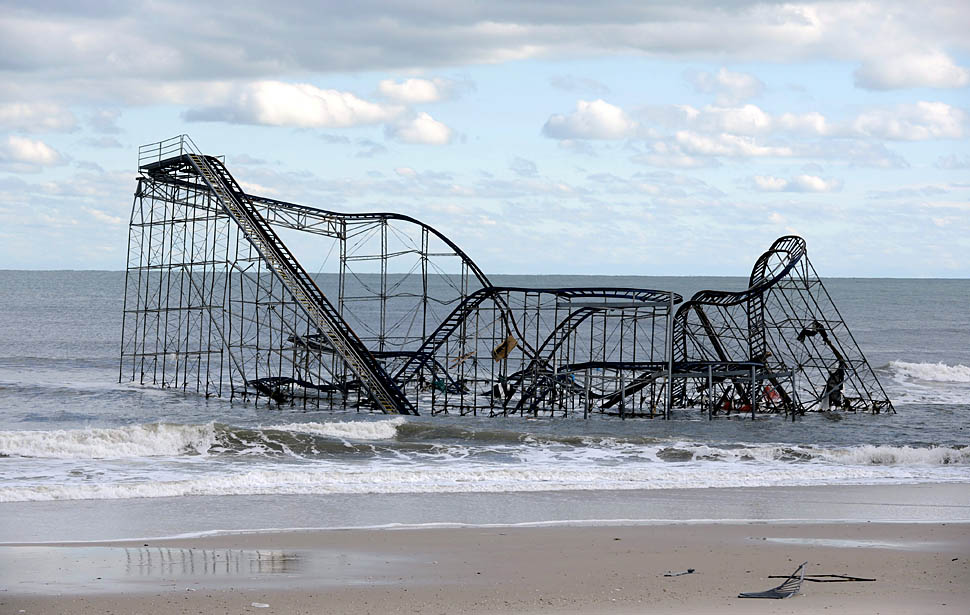 On October 29, 2012, Hurricane Sandy brought storm surges in excess of 9 feet. This was bad news for Ocean County, in which 29 of 33 municipalities border the ocean.
 For the past several years, our office has been reporting on various aspects of New Jersey Landlord Tenant Law. We have noted that the New Jersey eviction process is a generally fast and simple procedure that allows landlords to evict tenants in as little as four to six weeks. There are no Counterclaims allowed by the Defendant (Tenant) and there is no requirement that the parties exchange any discovery prior to trial.
  Throughout the year, this office has published a series of articles about real estate tax assessments. We have discussed how assessments are calculated, and how assessments can be appealed when they are too high. We have also discussed the fact that most real estate assessments in New Jersey do not exceed the actual value of the properties, and for many taxpayers, the high taxes they are paying is simply a function of a high real estate tax rate, which cannot be appealed. For our final article of this year, we will discuss some reasons why your tax rate may be as large as it is, and some ways that the local governments can (but probably will not) lower them.
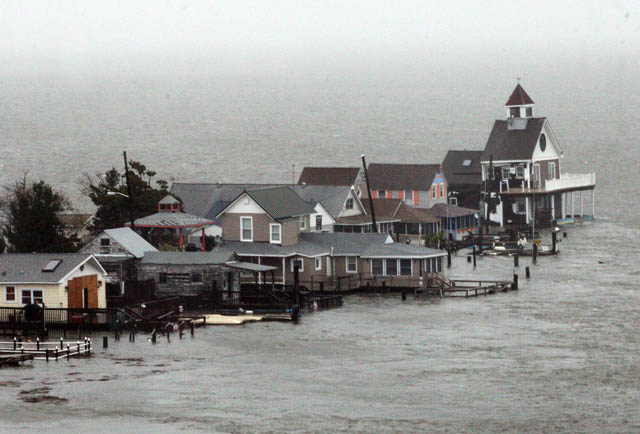 Nearly every resident in the State of New Jersey has been affected by Hurricane Sandy. In little more than 24 hours between the dates of October 29 and October 30, New Jersey residents experienced massive flooding and storm related damage from the hurricane. In the aftermath of Sandy and the considerable destruction it caused, many affected property owners have been left wondering if there will be any property tax relief available.
 We are frequently asked questions from clients regarding the