 New Jersey Real Estate Attorney Blog


 As the 2014 tax appeal season nears its conclusion, and as the 2015 tax appeal season is ready to begin, we look back at another great year. In 2014, while we reduced the number of tax appeal clients we agreed to represent, we still saved our clients over $3,000,000 in assessments, including a $700,000 reduction in the assessment of one commercial property.
In Monmouth and Ocean Counties, the Hurricane Sandy related tax appeals will soon be dwindling, due to the long-awaited restoration of most of the storm affected properties. Excessive equalization ratios, which were once a major problem for assessors have been mostly cured. Only Allenhurst, Brielle, Keyport, Englishtown, and Farmingdale remained in 2014 with equalization ratios that were substantially over 100%. For the 2015 tax year, Allenhurst is no longer on that list. In Ocean County, Beachwood, Lacey, Little Egg Harbor and South Toms River will continue to have disproportionately high equalization ratios in 2015.
While all municipalities have some properties that are over-assessed, the massive quantities of appeals that were necessitated by an entire town being over-assessed are no longer a major concern in most Monmouth and Ocean County towns. Perhaps part of the reason for the drop in equalization ratios can be correlated to the gradual upturn in the real estate market. According to Zillow, New Jersey real estate values have increased this year (August of 2013 through July of 2014) by 5.5%. Nevertheless, there are still several over-assessed properties and the owners of those properties are paying substantially more than their fair share of real estate taxes. During the past tax year, we obtained property tax reductions for more than 75% of our tax appeal clients.
 In 2011,
 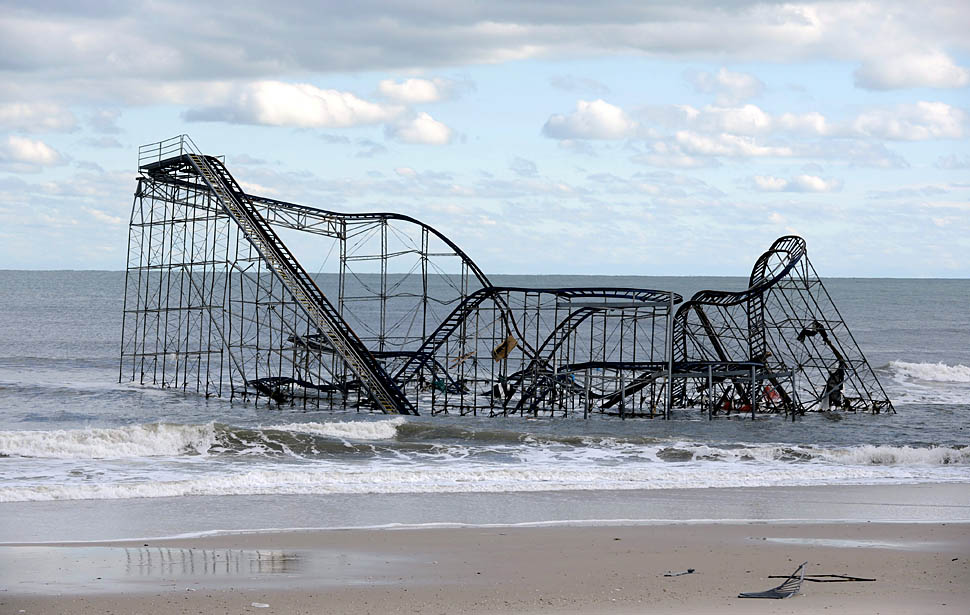 On October 29, 2012, Hurricane Sandy brought storm surges in excess of 9 feet. This was bad news for Ocean County, in which 29 of 33 municipalities border the ocean.
  Throughout the year, this office has published a series of articles about real estate tax assessments. We have discussed how assessments are calculated, and how assessments can be appealed when they are too high. We have also discussed the fact that most real estate assessments in New Jersey do not exceed the actual value of the properties, and for many taxpayers, the high taxes they are paying is simply a function of a high real estate tax rate, which cannot be appealed. For our final article of this year, we will discuss some reasons why your tax rate may be as large as it is, and some ways that the local governments can (but probably will not) lower them.
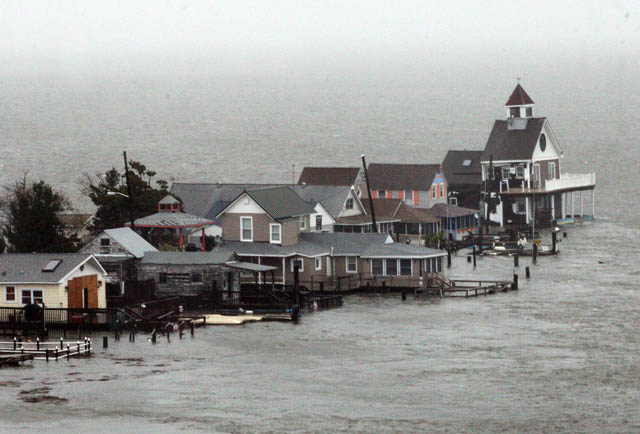 Nearly every resident in the State of New Jersey has been affected by Hurricane Sandy. In little more than 24 hours between the dates of October 29 and October 30, New Jersey residents experienced massive flooding and storm related damage from the hurricane. In the aftermath of Sandy and the considerable destruction it caused, many affected property owners have been left wondering if there will be any property tax relief available.
  We are frequently asked questions from clients regarding the
 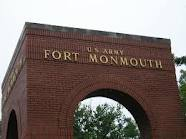 For more than 80 years, Fort Monmouth had been a vital component of Monmouth County’s economic base. It had provided thousands of residents with jobs and housing, and has provided indirect benefits to thousands of businesses, including those in the retail sector. In April of 2005, the Pentagon recommended that Fort Monmouth be permanently closed. During the years that followed, some of the Fort Monmouth jobs were relocated to other bases within the State of New Jersey, others were relocated out of state, and some jobs were phased out of existence. On September 15, 2011, the Fort Monmouth Army Base was retired.
 In the State of New Jersey, the amount of real estate tax you must pay is based in part on the municipality’s “assessment” or assigned value of your property. As property values have declined over recent years, some towns have reduced their assessments in order to keep up with the changes in value. They have then raised their assessments to make sure their budgets can continue to grow. The net result is that, even though the assessments have gone down, the taxes still have gone up.